
How to Make Your Exterior Door More Secure: A Practical Guide
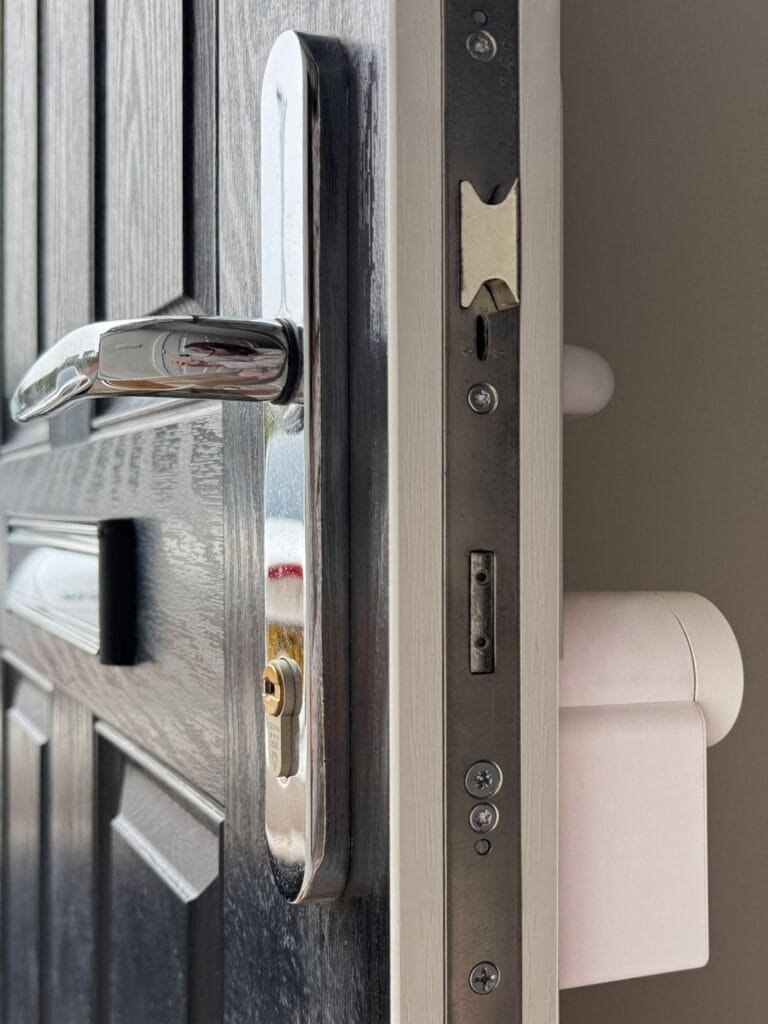
Your exterior door is the single most-used entry point into your home — and for many houses, it’s also the weakest link in the whole security setup. A worn-out lock, a hollow door, or hinges installed the wrong way can turn what looks like a sturdy barrier into something a determined intruder can force open in under a minute.
The good news: you don’t need a full door replacement to fix this. A handful of smart, targeted upgrades can make your exterior door more secure without a major renovation or a big budget. Here’s where to start.
Why Exterior Doors Get Targeted First
Most home break-ins aren’t cinematic lock-picking jobs. They’re quick, opportunistic attempts on the easiest point of entry — usually the front or back door. A door that looks strong from the outside can still fail if the lock, frame, or hinges behind it are outdated or poorly installed.
Knowing where these weak points usually hide makes them much easier to fix, one at a time.
1. Upgrade to a Grade 1 Deadbolt
Not all deadbolts are built the same. Locks are rated by the American National Standards Institute (ANSI) on a scale from Grade 3 (basic residential) up to Grade 1 (commercial-grade, the toughest). A Grade 1 or Grade 2 deadbolt resists kicking, prying, and drilling far better than the basic lock that often comes pre-installed on new homes.
If your current lock is original to the house, sticky, or purely decorative, this is usually the highest-impact upgrade you can make. If you’d rather not risk misaligning the bore or strike, a professional exterior door lock change in Fort Collins, CO handles the fitting and testing so the new hardware performs the way it’s rated to.
2. Reinforce the Strike Plate and Frame
Here’s something a lot of homeowners miss: the lock can be excellent and the door can still get kicked in, because the strike plate — the metal piece the bolt slides into — is often held on by short screws that only reach the door jamb’s trim, not the framing behind it.
A simple fix: swap in a reinforced, 3-inch strike plate and use screws long enough to reach the wall stud. This one change is inexpensive and dramatically increases how much force the frame can absorb before splitting.
3. Don’t Ignore the Hinges
If your door swings outward, the hinges sit exposed on the outside — meaning, in theory, someone could pull the pins and lift the whole door off its frame, lock included. It’s not the most common break-in method, but it’s an easy gap to close.
Non-removable hinge pins, or hinges with a built-in set screw, fix this for a few dollars per hinge. Small detail, easy win.
4. Add a Smart Lock — as a Backup, Not a Replacement
Smart locks are genuinely useful: keypad or app-based entry, temporary codes for guests or contractors, and a log of who came and went. But convenience isn’t the same as strength. A smart lock should sit alongside a solid mechanical deadbolt, not instead of one — look for models that are both smart-enabled and ANSI Grade 1 or 2 rated.
5. Look at the Door Itself
Hardware upgrades only go so far if the door underneath them is hollow, thin, or has a large glass panel next to the lock. A few things worth checking:
- Solid-core vs. hollow-core — solid wood, fiberglass, or steel doors hold up far better under force than hollow interior-style doors sometimes mistakenly used on exteriors.
- Glass near the lock — decorative glass panels look nice but let someone break the glass and reach the deadbolt from inside. Security film, or simply choosing a design without glass beside the lock, removes that shortcut.
- A working peephole or video doorbell — so you’re never opening the door blind.
6. Add Visible Deterrents
Security isn’t only about stopping someone mid-attempt — it’s also about making your door look like a bad target in the first place. Motion-activated lighting near entry points and a visible camera or video doorbell both do a lot of quiet, passive work, since most intruders avoid homes that are clearly being watched.
7. Think Beyond the Exterior Door, Too
Once the main entry points are solid, it’s worth glancing inward. Bedrooms, home offices, or a room where you keep valuables often still have the original, low-security knob lock — especially in shared housing, rentals, or multi-generational homes. In those cases, an interior door lock change in Fort Collins, CO is a small, affordable step that adds real privacy inside the house, not just at the front door.
When to Call a Professional
Swapping a doorknob is a reasonable DIY job. But strike plate reinforcement, hinge modifications, and smart lock wiring all depend on precise fit and alignment — a lock installed slightly off can undermine the very security it’s meant to add. If you’re unsure, it’s worth having a licensed locksmith check the whole setup in one visit rather than guessing door by door.
Quick Checklist
- ANSI Grade 1 or 2 deadbolt installed
- Reinforced strike plate with 3-inch screws into the stud
- Non-removable pins on outward-facing hinges
- Solid-core exterior door, no large glass panel by the lock
- Motion-sensor lighting and a visible camera or doorbell
- Interior doors reviewed for rooms that need extra privacy
Frequently Asked Questions
What’s the best type of lock for an exterior door? An ANSI Grade 1 deadbolt offers the strongest resistance to kicking, prying, and drilling. Grade 2 is a solid mid-range option where Grade 1 isn’t available for your door type.
Do I need to replace the whole door to make it more secure? Usually not. Most homes see a big improvement just from upgrading the lock, strike plate, and hinges — full door replacement is only necessary if the door itself is damaged, hollow, or structurally compromised.
How much does it typically cost to upgrade exterior door security? It varies by hardware and whether you hire a professional, but basic upgrades like a strike plate kit or hinge pins cost relatively little, while a new Grade 1 deadbolt or smart lock — installed — is a modest one-time cost compared to the protection it adds.
The Bottom Line
Making your exterior door more secure rarely comes down to one big purchase. It’s a handful of small, deliberate upgrades — lock, frame, hinges, and a bit of visibility — that together make your home a far less appealing target. If you’d rather have a professional assess your specific door and recommend what’s actually worth upgrading, a local locksmith visit is usually the fastest way to get a clear answer.